Keeping Your Gransino Account Access Secure
Reliable account access matters when you want to check bonuses, review transactions, contact support or return to games on a mobile or desktop device. The gransino login page is relevant to existing customers, while the wider account area may contain profile information, verification uploads, cashier functions, challenges and VIP details. Knowing how the sign-in process works, what to do when access fails and how to protect your credentials can make routine account management simpler and safer.
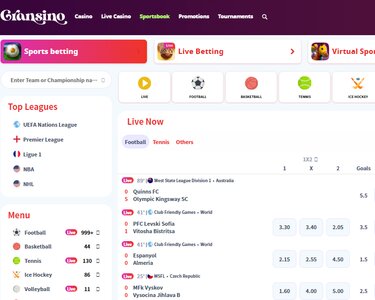
How the account login process works
Gransino describes standard login access for both desktop and mobile browsers. Existing customers generally use the email address connected to their account together with their password. Entering those details carefully is important because a small spelling error, an unwanted space or an active Caps Lock key can prevent a successful sign-in even when the password seems familiar.
After access is restored, the account area can be used for more than opening games. The available sections may include personal details, bonus information, verification uploads, transaction records, cashier functions, challenge progress and VIP status. Their presence means the account page can be useful for checking account information before contacting support or attempting a payment-related action.
Login access should not be confused with registration or verification. New customers follow the registration process, which includes an email address, password, age confirmation, acceptance of terms and requested personal details. Existing customers may later be asked for identity or payment documentation as part of an account review. A successful login does not by itself mean every verification requirement has been completed.
What to do when your password is forgotten
The “Forgot password?” option starts email recovery for customers who cannot remember their password. The described process asks for the email address registered to the account, after which a reset message should be sent. Open that message and follow its instructions to create a new password rather than repeatedly guessing credentials on the login screen.
If the recovery email does not appear promptly, check the spam or junk folder as well as the main inbox. Confirm that the email address was entered correctly, then request the message again if necessary. Repeated requests can sometimes make it unclear which message is current, so use the most recent valid reset email and avoid sharing it with anyone else.
A new password should be difficult for another person to predict and should not be reused on unrelated services. If the registered email is inaccessible, recovery messages continue to fail or the account appears locked, support is the appropriate next step. Be ready to describe the issue accurately, but do not send passwords or sensitive security codes in an ordinary support message.
Troubleshooting desktop and mobile access
Login problems are not always caused by the account itself. First recheck the email and password, including capital letters and accidental spaces. Refreshing the page, closing and reopening the browser, or trying an updated browser can resolve temporary loading or session problems. On a phone or tablet, ensure the browser is current and that the connection is stable.
Cached files and cookies can occasionally interfere with a sign-in page, particularly after a browser update or a change to the website. Clearing them may help, although it can also sign you out of other services. JavaScript should be enabled for the site to function properly. If mobile data is unreliable, switching between Wi-Fi and mobile connectivity may help identify whether the network is responsible.
Mobile access is presented primarily through the browser rather than a consistently confirmed native iOS or Android application. The responsive mobile site is described as covering account access, bonuses, cashier functions, support, challenges, tournaments and VIP features. If ordinary troubleshooting fails, contact support with a clear description and, where relevant, a screenshot of the error rather than repeatedly attempting an uncertain action.
Protecting an account after signing in
Account security begins with keeping login details private. Do not give your password to another person, even if they claim to be helping with a payment, bonus or technical problem. Avoid saving credentials on shared computers and sign out after using a public or borrowed device. A private, updated browser is a safer choice for account management than an unfamiliar machine.
Pay attention to unusual account activity, unexpected password-reset messages or changes you did not make. If you suspect that somebody else has accessed the account, change the password as soon as possible and contact support about the concern. Do not click suspicious links in messages that imitate account notices; instead, open the official site through a route you already trust and check the account directly.
Verification and payment ownership checks also form part of account protection. The operator may request valid identification, proof of residence, evidence that a payment method belongs to you or recent transaction history, depending on the review. Keep records of legitimate transactions and submit documents only through the stated account or support process. Avoid altering documents or sending unnecessary personal information.
When support is the right option
Support can assist with locked or inaccessible accounts, password problems and concerns that an account may have been compromised. The available support channels described for Gransino include live chat and email, with support advertised as available around the clock. A useful request should state the problem, the device and browser involved, and any troubleshooting already attempted.
Support can also help with missing promotional credit, account verification, deposits, withdrawals, technical faults and complaints. For a game-related technical issue, a screenshot and detailed description may help explain what happened. Avoid sending your password, full card details or security codes. If a payment or verification matter is involved, follow the specific information requested by support rather than guessing which documents are needed.
Customers who want a break can ask about temporary exclusion, self-exclusion or account deactivation through support. The available responsible-gaming material also discusses spending and time control, avoiding loss-chasing and recognising potentially harmful gambling behaviour. If gambling is becoming difficult to manage, seeking support early is more important than trying to recover losses or continue playing.
FAQ

Can I access the account from a mobile phone?
Yes, the available information describes mobile-browser access on iOS and Android devices. The responsive site is presented as covering login, account functions, bonuses, cashier tools and support. A current official native app is not consistently confirmed, so use the mobile website rather than assuming an app is required.
What should I do if the password reset email is missing?
Check the inbox’s spam or junk folder, confirm that the registered email was entered correctly and request the reset message again. Use the newest valid message. If recovery still fails, or the account appears locked, contact support and do not send your password or security codes.
Can support help if I think someone accessed my account?
Yes. Change the password promptly if possible and contact support to report suspected unauthorised access. Explain any unusual activity without sharing confidential credentials. Support can advise on an inaccessible or potentially compromised account, while payment or verification concerns may require additional account-specific checks.